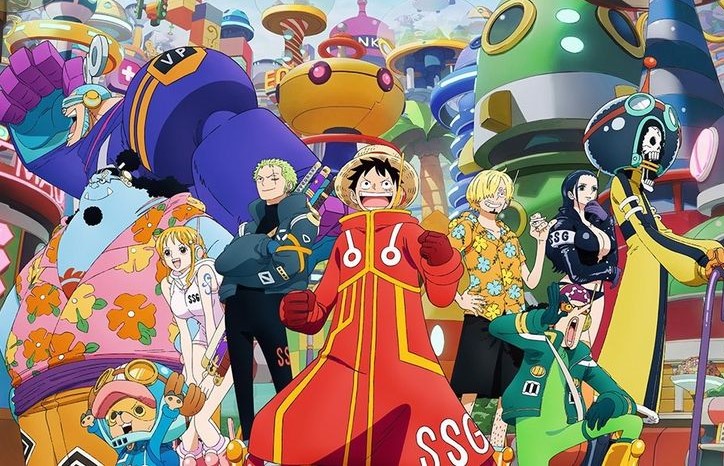
Fantasy often thrives on expansive series filled with vast worlds, detailed magic systems, and complicated political settings. Add a good dose of comedy, a crew of wild pirates, and endless imagination, and you enter the realm of *One Piece*.
I won’t spend too long convincing you to check out *One Piece*. If you enjoy the best-selling manga in the world, you probably already know about it. However, for those fantasy fans who haven’t explored manga or comics at all, it might be worth a closer look.
While *One Piece* presents itself as a funny adventure story, there’s surprising depth beneath the surface. At its center is Monkey D. Luffy, a protagonist who represents childlike wonder and unyielding optimism. Luffy is the type of character who refuses to grow up. He sees the world through an innocent lens of excitement and awe. Like a child, he jumps into problems headfirst with his impulsive nature and boldly asserts his straightforward views, often leaving others baffled.
Consider the issue of slavery. In the *One Piece* universe, slavery is maintained by an authoritarian ruling class that relies on overwhelming military strength. While many characters find slavery awful, they ignore or tolerate it. It happens around them, in plain view—sometimes with brutal treatment—and yet they do nothing. Then Luffy encounters this injustice. Instead of reflecting or debating, he reacts instantly by throwing punches. This is where *One Piece* really shines—by reflecting real-world complexities while reminding us that sometimes, decisive action based on simple morality is the clearest way forward.
At its heart, *One Piece* is a story about resistance and forging your own path in life—sometimes quite literally. The Straw Hat Pirates, aboard their beloved ship, the Merry Go, are a diverse and entertaining bunch. Each character has a rich backstory and aspirations that add depth to the narrative. Over the decades and more than 100 volumes since its debut, they’ve grown, changed, and experienced incredible wonders, all while pursuing a dream that’s often less about treasure and more about embracing the next great adventure.
Of course, *One Piece* has its flaws. Like many manga, it often exaggerates the visual portrayal of female characters, sometimes crossing into excessive sexualization. You’ll notice this right away—even the covers will give you a clue. If this bothers you, you may not need to dive too far into the series to decide if it’s for you. I won’t try to defend this aspect; it’s a common trope in the medium. However, for me (and I admit this as a man), the cartoonish and exaggerated art style keeps it from detracting from the story overall.
If you’ve never read manga or comics but love fantasy worlds filled with creativity and heart, I hope you’ll give *One Piece* a chance. It shows just how amazing storytelling can be within this genre.
For me, *One Piece* is a solid five out of five.